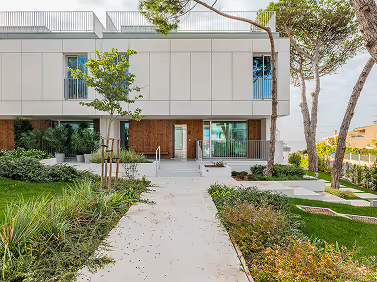

В Португалии купить недвижимость может любой — независимо от гражданства и места проживания. Покупатель из любой страны получает те же права собственности, что и гражданин Португалии. В 2026 году изменилась стоимость: нерезиденты теперь платят фиксированный налог на переход права собственности (IMT) в размере 7,5% при покупке жилой недвижимости, что существенно пересматривает бюджет многих иностранных покупателей.
Это руководство охватывает весь путь: что подготовить до начала поиска, каждый шаг от предложения до получения права собственности, сколько времени это занимает, что стоит в 2026 году и как завершить сделку полностью удалённо — без поездок в Португалию.
Ключевые шаги: процесс в семи этапах
Процесс кратко
- Получите португальский налоговый номер (NIF).
- Откройте португальский банковский счёт и найдите независимого юриста.
- Если вам нужно финансирование, получите предварительное одобрение ипотеки, чтобы знать свой бюджет.
- Найдите объект и договоритесь о цене.
- Ваш юрист проверит право собственности, разрешения и наличие долгов.
- Подпишите предварительный договор (CPCV) и внесите задаток, обычно 10%.
- Уплатите налог на переход права собственности (IMT) и гербовый сбор, затем подпишите нотариальный акт (escritura).
- Зарегистрируйте право собственности на ваше имя.
Важно знать
- Для владения недвижимостью в Португалии не нужны вид на жительство или виза.
- Покупка жилья больше не даёт право на «Золотую визу». Эта программа закрылась в октябре 2023 года.
- Закладывайте около 10–12% от цены объекта на налоги и сборы (нерезиденты) или около 6–8% (резиденты).
- Всю сделку можно завершить дистанционно через доверенность.
Могут ли иностранцы купить недвижимость в Португалии?
Да. Ограничений по гражданству или месту проживания нет. Граждане стран за пределами ЕС покупают недвижимость на тех же правовых основаниях, что и местные жители, как и граждане ЕС. Иностранный спрос — реальный рыночный фактор: в 2025 году покупатели с налоговым резидентством за рубежом платили в Большом Лиссабоне медианно на 49% больше за квадратный метр, чем местные, и на 35,6% больше в районе Порту, а национальная медианная цена в конце 2025 года достигла 2 198 евро за квадратный метр — рост на 17,5% за год.
Важно разграничить: владение недвижимостью и проживание в Португалии — это разные вещи. Покупка даёт право собственности, но не право на проживание. С октября 2023 года покупка недвижимости больше не даёт право на «Золотую визу». Если цель — переезд, рассмотрите такие варианты, как виза D7 (пассивный доход) или D8 (удалённая работа) — они не требуют владения недвижимостью.
Что подготовить до начала
NIF (налоговый номер). Número de Identificação Fiscal необходим для любой сделки с недвижимостью. Его можно получить лично в налоговой инспекции или — что удобнее для покупателей из-за рубежа — через юриста или представителя. Жители за пределами ЕС или ЕЭЗ обычно назначают налогового представителя в Португалии — это может организовать ваш юрист.
Португальский банковский счёт. Строго говоря, он не обязателен, но значительно упрощает выплату залога, налогов и коммунальных платежей, и большинство продавцов ожидают, что средства пройдут через португальский счёт. Можно обойтись без него, но тогда деньги придётся переводить иначе — через счёт эскроу вашего юриста (обычно с комиссией около 1%) или через отделение или партнёрский банк в вашей стране.
Независимый юрист. Юридически не обязателен, но настоятельно рекомендуется. Выбирайте юриста, который действует только в ваших интересах, а не того, кого рекомендует продавец. Его задача — убедиться, что объект юридически чист, а договор вас защищает. В Ola Estate юридическое сопровождение включено в услугу покупки — это организуется для вас в рамках процесса.
Процесс покупки: шаг за шагом
Найдите объект и согласуйте цену. Работайте с агентом, который представляет ваши интересы. Агент на стороне покупателя ищет в соответствии с вашими критериями и ведёт переговоры на вашей стороне, а не продаёт вам конкретный листинг. Согласуйте цену и основные условия в принципе.
Резервационное соглашение (необязательно). Некоторые продавцы просят заключить краткое резервационное соглашение и внести небольшой задаток, чтобы снять объект с продажи на время проверок. Этот шаг используется не всегда.
Проверка юридической чистоты (due diligence). До подписания CPCV и нотариального акта ваш юрист должен убедиться в правовой чистоте объекта. Ключевые документы для проверки:
- Caderneta Predial Urbana: запись в налоговом реестре с официальными данными об объекте и его налогооблагаемой стоимость.
- Certidão Permanente do Registo Predial: свидетельство о регистрации права собственности, подтверждающее законного владельца и наличие ипотеки, обременений или споров.
- Licença de Utilização: разрешение на использование, подтверждающее, что объект пригоден для проживания.
- Ficha Técnica de Habitação: технический паспорт, обязательный для объектов, построенных или существенно реконструированных после 2004 года.
- Энергетический сертификат: обязателен при любой продаже и отражает класс энергоэффективности объекта.
Предварительный договор (CPCV). The Contrato de Promessa de Compra e Venda — это обязывающее соглашение. В нём фиксируются цена, задаток, дата завершения сделки и условия. Задаток (sinal) обычно составляет 10%. Закон защищает обе стороны: если вы отказываетесь от сделки — задаток остаётся у продавца; если продавец — он возвращает вам двойную сумму. Попросите юриста составить или проверить этот договор до того, как вы что-либо подпишете или переведёте деньги.
Уплатите IMT и гербовый сбор. Оба налога уплачиваются до подписания нотариального акта. Без квитанций об оплате нотариус не может завершить сделку. Суммы поясняются в разделе о расходах ниже.
Подпишите нотариальный акт (escritura). Завершение сделки происходит у нотариуса или в едином регистрационном центре Casa Pronta. Обе стороны подписывают Escritura Pública de Compra e Venda, вы выплачиваете оставшуюся сумму, и право собственности переходит в момент подписания.
Зарегистрируйте право собственности. Сделка записывается в Земельный реестр (Conservatória do Registo Predial), налоговая служба обновляет сведения о владельце. В Casa Pronta это происходит сразу; в противном случае этим занимается ваш юрист.
[[banner:w-image-1]]
headline: Need help buying property in Portugal?
description: Search the whole market with a buyer’s agent on your side
button: How it works
url: https://www.ola-estate.com/portugal/buying
image: https://cdn.prod.website-files.com/699c52fd0ea2d4bb2148d179/69d3c297a90daeeab9240bb8_Container-5.avif
color: orange
[[/banner]]
Сколько времени это занимает?
От принятого предложения до подписания нотариального акта стандартная сделка обычно занимает шесть–десять недель. Примерное распределение:
- Получение NIF и открытие счёта: от нескольких дней до двух недель, быстрее — если сделать это до начала поиска объекта.
- От предложения до CPCV: от одной до трёх недель в зависимости от переговоров и скорости сбора документов.
- От CPCV до нотариального акта: от четырёх до двенадцати недель — определяется датой завершения в договоре и сроками ипотеки, если вы берёте кредит.
Ипотека увеличивает сроки, поскольку банку необходимо оценить объект и одобрить кредит. Сделки за наличные завершаются быстрее всего.
Покупка из-за рубежа: дистанционный процесс
Вам не нужно приезжать в Португалию ни на одном из этапов. Доверенность (procuração) позволяет вашему юристу действовать от вашего имени, включая подписание CPCV и нотариального акта. Типичная дистанционная покупка выглядит так:
- NIF и банковский счёт оформляются вашим представителем в Португалии.
- Вы подписываете доверенность у нотариуса в своей стране — при необходимости с апостилем и заверенным переводом на португальский.
- Агент организует просмотры или видеотур, юрист проводит проверку юридической чистоты, подписывает документы от вашего имени и регистрирует право собственности.
Именно так многие международные покупатели завершают сделку, особенно если планируют переезд позже или покупают инвестиционную недвижимость. Это требует безоговорочного доверия к юристу, поскольку вы уполномочиваете его подписывать документы от вашего имени, поэтому ограничьте доверенность конкретной сделкой.
Расходы при покупке в 2026 году: налоги и сборы
Помимо цены объекта, запланируйте следующие расходы.
Налог на переход права собственности (IMT)
Это крупнейший дополнительный расход, и в 2026 году его порядок изменился:
- Резиденты, покупающие основное жильё, освобождены от налога на первые 106 346 евро стоимости в 2026 году, далее действуют прогрессивные ставки с предельными ставками до 8% для средних ценовых диапазонов. Для второго жилья освобождение не предусмотрено.
- Резиденты в возрасте до 35 лет, покупающие первое основное жильё, полностью освобождены от IMT и гербового сбора на стоимость до 330 539 евро в 2026 году — при условии, что в предыдущие три года они не владели жильём и сохранят объект как основное место проживания. Выше этого порога применяется предельная ставка 8% вплоть до более высокой планки, затем стандартные диапазоны.
- Нерезиденты платят фиксированный IMT в размере 7,5% на жилую недвижимость — эта мера введена жилищным законом 2026 года и действует с момента его публикации 20 мая 2026 года.
Пример расчёта для объекта стоимостью 300 000 евро: резидент, покупающий его как второе жильё, заплатит около 11 600 евро IMT, тогда как нерезидент — 22 500 евро (7,5%).
Фиксированную ставку можно аннулировать или вернуть, если в течение двух лет после покупки вы станете португальским налоговым резидентом или передадите объект в долгосрочную аренду по регулируемым ставкам. На практике вы платите 7,5% авансом и впоследствии возвращаете разницу, если соответствуете условиям.
Сводная таблица расходов
Ежегодные расходы после покупки
- IMI (муниципальный налог на недвижимость): от 0,3% до 0,45% от налогооблагаемой стоимости городской недвижимости — устанавливается каждым муниципалитетом; 0,8% для сельской собственности.
- AIMI (налог на состояние): применяется только к объектам высокой стоимости, начисляется с той части португальского имущества лица, которая превышает 600 000 евро.
Общий бюджет единовременных расходов. Как правило, нерезидентам следует закладывать около 10–12% от цены объекта на налоги и сборы в 2026 году — в основном за счёт IMT 7,5%. Резиденты, покупающие первичное жильё, обычно укладываются в 6–8%.
[[banner:w-image-1]]
headline: Thinking about a mortgage?
description: Download our free guide for non-residents and understand rates, deposits and bank requirements.
button: Download the guide
url: https://drive.google.com/file/d/19rftU6Arp0alKKdzZ62UeIUloX9_KqaY/view
image: https://cdn.prod.website-files.com/699c52fd0ea2d4bb2148d179/69dc99ee38610685ce3c92b5_08_Conjure_AD%209%20(1).avif
color: blue
[[/banner]]
Ипотека для нерезидентов
Португальские банки кредитуют нерезидентов. Рассчитывайте на меньший процент от стоимости объекта, чем у резидентов: обычно до 60–70% для нерезидентов против 80–90% для резидентов — точный показатель зависит от банка и вашего профиля. Банки оценивают ваши доходы, существующие долги и стоимость объекта. Предварительное одобрение кредита до начала поиска ставит вас в наилучшую позицию: вы знаете свой бюджет и можете делать предложения без промедления. Некоторые продавцы не принимают предложения, зависящие от финансирования, если кредит ещё не одобрен.
Типичные ошибки
- Отказ от независимого юридического сопровождения или использование юриста продавца для защиты своих интересов.
- Подписание CPCV или перевод задатка до завершения проверки юридической чистоты.
- Игнорирование налога для нерезидентов при составлении бюджета — он может примерно вдвое превысить IMT по сравнению со старыми прогрессивными ставками.
- Ошибочное предположение, что покупка даёт право на проживание или визу. Это не так.
- Покупка объекта с незарегистрированной пристройкой или использованием, не соответствующим документам, — это может заблокировать будущую продажу или аренду.
- Оценка доступности по цене предложения без учёта единовременных и ежегодных расходов.
Где покупают иностранцы
Спрос концентрируется в нескольких районах, у каждого — своя специфика:
- Лиссабон и Кашкайш: самые высокие цены и наиболее развитый рынок аренды, популярны среди профессионалов и инвесторов.
- Порту: более низкий порог входа по сравнению с Лиссабоном при высоком арендном спросе.
- Алгарве: пляжи, гольф и туристическая аренда — классический регион для покупки второго жилья.
- Полуостров Сетубал и Компорта: побережье в досягаемости от Лиссабона, быстро растущее в популярности.
- Серебряный берег и внутренние города — например, Коимбра: более доступные и тихие, с растущим интересом иностранных покупателей.
Часто задаваемые вопросы
Могут ли иностранцы купить недвижимость в Португалии?
Да, без ограничений и без требования о проживании. Вам потребуется NIF и, на практике, португальский банковский счёт.
Нужно ли жить в Португалии, чтобы купить там недвижимость?
Нет. Владение недвижимостью не требует вида на жительство, и сделку можно завершить из-за рубежа.
Даёт ли покупка недвижимости право на проживание или «Золотую визу»?
Нет. Программа «Золотой визы» через покупку недвижимости завершилась в октябре 2023 года. Право на проживание оформляется через отдельные визовые программы, например, D7 или D8.
Сколько налогов платят иностранцы при покупке?
В 2026 году нерезиденты платят фиксированный IMT 7,5% плюс гербовый сбор 0,8%. Резиденты платят прогрессивный IMT с освобождением от налога на основное жильё до 106 346 евро.
Нужен ли юрист?
Юридически нет, но настоятельно рекомендуется. Выбирайте того, кто представляет только ваши интересы.
Сколько времени занимает сделка?
Обычно от шести до двенадцати недель с момента принятого предложения до подписания нотариального акта — дольше, если вы оформляете ипотеку.
Можно ли купить недвижимость без поездки в Португалию?
Да. Доверенность позволяет вашему юристу подписать документы от вашего имени.
Может ли иностранец получить ипотеку?
Да. Нерезиденты обычно могут получить кредит на 60–70% от стоимости объекта по оценке банка.
Думаете о покупке недвижимости в Португалии?
Ola Estate работает как агент покупателя: ищет объекты в соответствии с вашими критериями, ведёт переговоры от вашего имени и сопровождает процесс от первого просмотра до получения ключей — в том числе полностью дистанционно. Если вы хотите обсудить, как именно будет выглядеть ваш конкретный план, — свяжитесь с нами, и мы обсудим все шаги и бюджет.